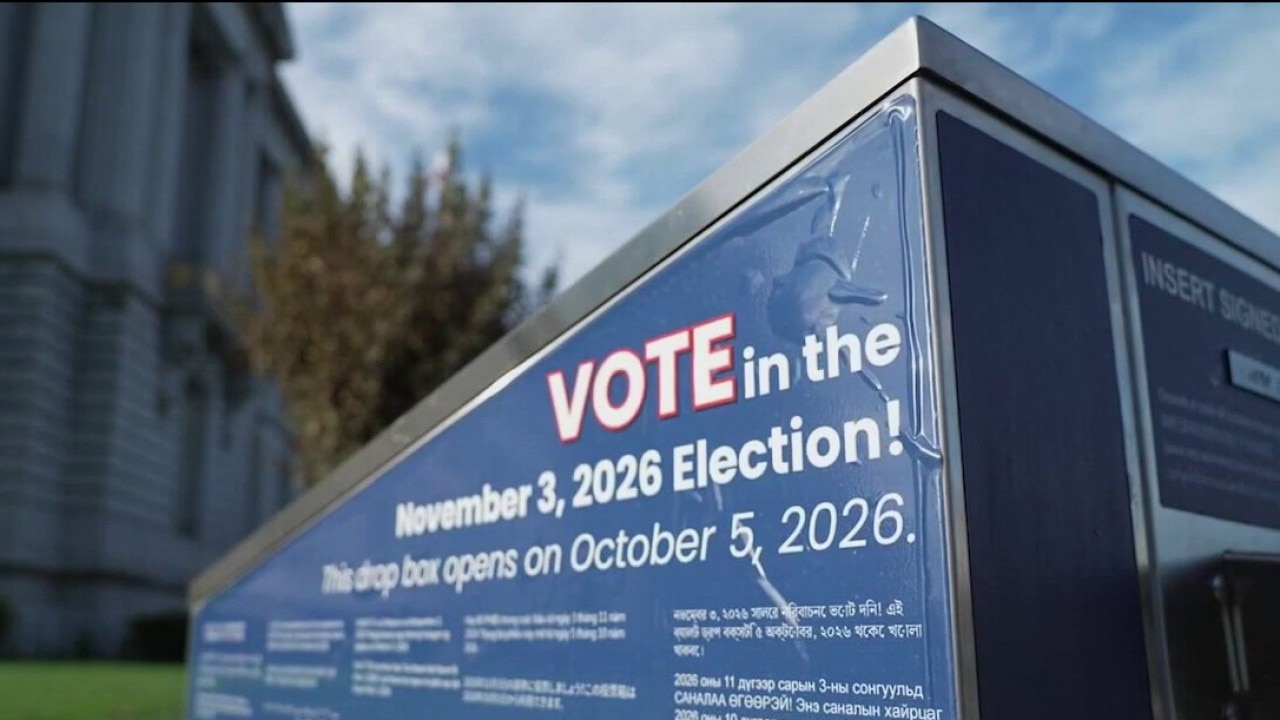
Government
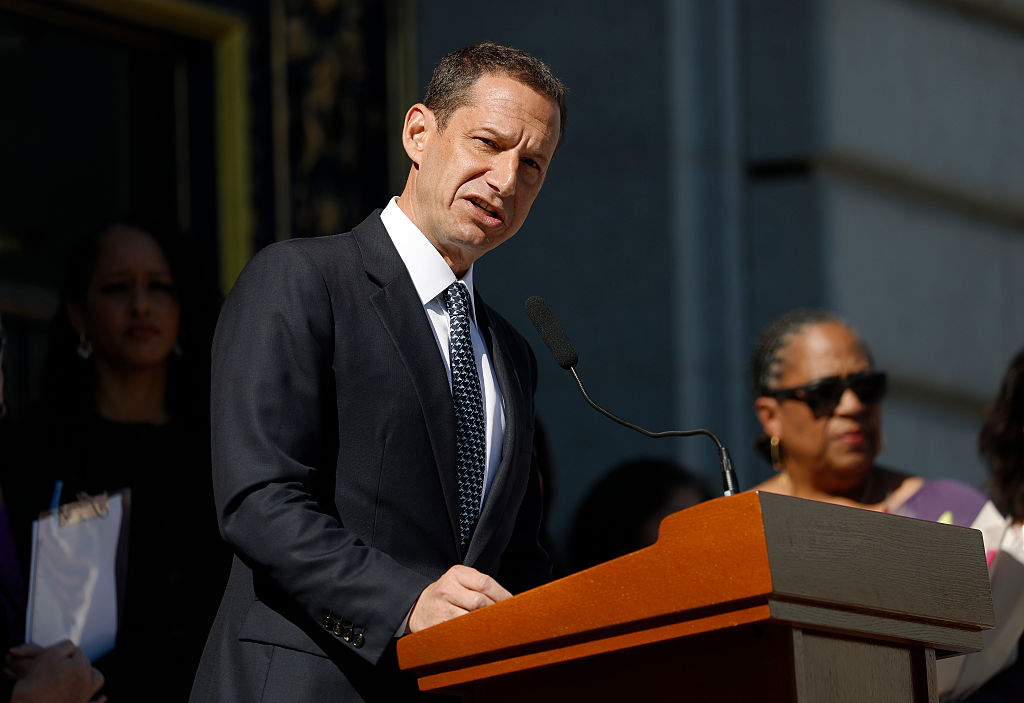
San Francisco mayor pushes for series of ballot measures he says will clean up City Hall
By Marcus Chen
Advertisement · Why this ad?
Katherine oversees editorial operations across all six brands. Before joining The Meridan Group, she spent 14 years at the Minneapolis Star Tribune, where she led the metro desk through its digital transformation. She holds a Master's in Journalism from Northwestern's Medill School.
More from Katherine →
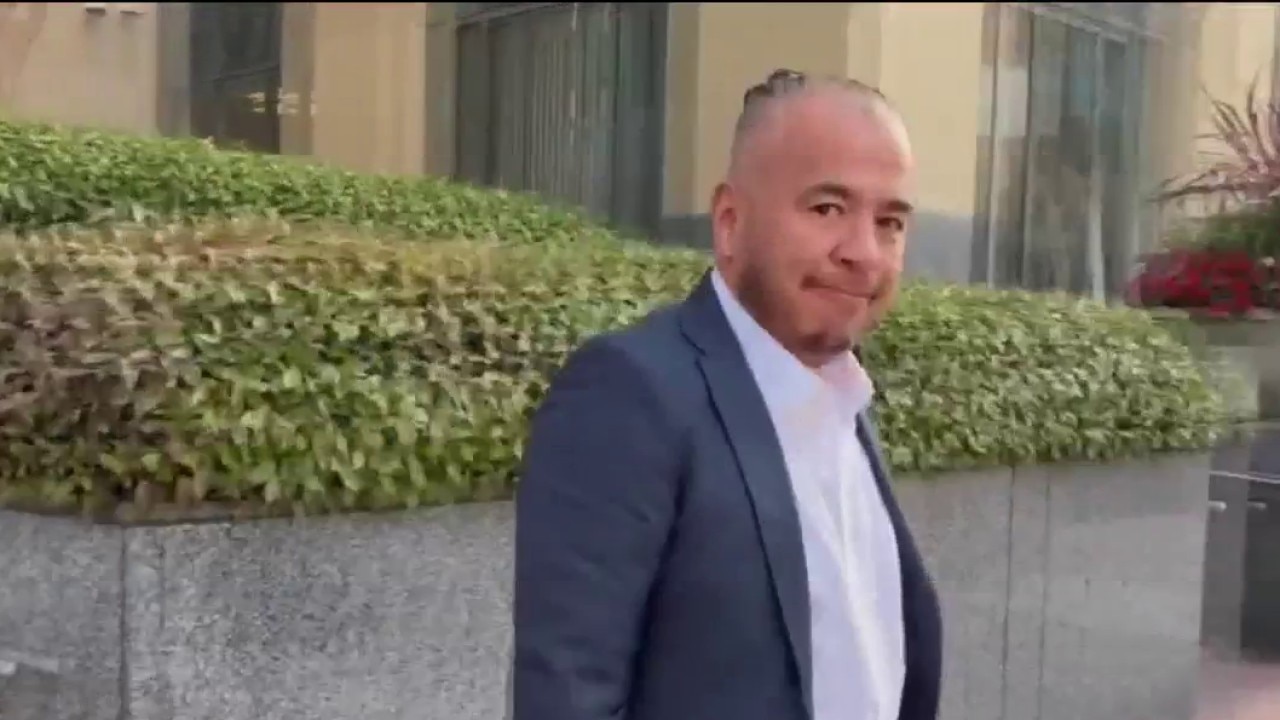
On a brisk autumn day, the courtroom buzzed with anticipation as Mario Juarez, a figure known for his polarizing role in local politics, stepped onto the witness stand. His testimony would serve as a pivotal moment in the corruption trial of former Oakland Mayor Sheng Thao, a case that has captured the attention of the Bay Area. Juarez, whose connections to various political figures have been both lauded and criticized, began to unravel a narrative that intertwines ambition, betrayal, and the complex web of local governance.
Sheng Thao, who served as Oakland's mayor until recently, faces serious allegations of corruption tied to a bribery conspiracy involving the Duong family, prominent local business owners. The trial, which began last week, has drawn significant media scrutiny as it delves into the inner workings of political relationships in the city. The prosecution alleges that Thao collaborated with Juarez and the Duong family to engage in unethical practices that undermined the integrity of her office.
According to court documents, the charges against Thao include conspiracy to commit bribery and corruption, which could result in severe penalties, including imprisonment. The stakes are high, not only for Thao but also for the community that has placed its trust in her leadership. The implications of such a trial extend beyond the courtroom, affecting public perception of governance in Oakland and the surrounding areas.
Mario Juarez took the stand on Friday, providing a detailed account of his involvement in the alleged bribery scheme. His testimony painted a picture of a political landscape where favors were exchanged for support, and where relationships were cultivated for mutual benefit. Juarez admitted to having close ties with both Thao and the Duong family, suggesting that these connections played a significant role in the alleged misconduct.
"I was involved in discussions about how to leverage these relationships for political gain," Juarez stated, acknowledging the ethical lines that were blurred in the process. His candidness about his actions has raised questions about the accountability of political operatives and the systems that allow such behavior to flourish. The courtroom was silent as he recounted specific instances where he facilitated meetings and discussions that ultimately led to the alleged bribery.
Juarez's testimony does not exist in a vacuum; it is part of a broader narrative of political corruption that has plagued Oakland in recent years. The city has faced numerous scandals involving public officials, raising alarms about the integrity of its governance. Community members have expressed concerns that corruption erodes the trust necessary for effective governance, making it imperative for citizens to remain vigilant and engaged.
In previous years, Oakland has seen its fair share of political upheaval, with various officials facing scrutiny for ethical lapses. This history adds a layer of complexity to the current trial, as residents reflect on past incidents and their implications for the future. The trial serves as a critical juncture for Oakland, where the community must confront the reality of its political landscape.
The revelations in court have sent shockwaves through the Oakland community, where residents are grappling with the implications of Thao's alleged actions. Many are concerned about the erosion of trust in local government, a sentiment echoed by community leaders and activists. "We need our elected officials to uphold the highest standards of integrity," said local activist Maria Garcia. "This trial is not just about one person; it’s about the faith we place in our leaders."
Residents have expressed a mix of disappointment and anger, feeling betrayed by a leader they once supported. The trial has become a focal point for discussions about transparency and accountability in local governance. Many are calling for reforms to ensure that such instances of corruption do not occur in the future. The fallout from this trial could lead to significant changes in how political campaigns are funded and how officials are held accountable for their actions.
As the trial progresses, various community members have taken to social media and local forums to voice their opinions. Many express a need for a more transparent political process, emphasizing that the community deserves leaders who prioritize public service over personal gain. Local business owner and resident, James Lee, remarked, "This trial has opened our eyes to the importance of accountability in politics. We need to ensure that our leaders are working for us, not for themselves or their friends."
Community organizations are also mobilizing, organizing town halls and discussions to educate residents about their rights and the importance of civic engagement. Activist groups are advocating for stricter campaign finance laws and greater oversight of elected officials, hoping to build a more transparent political environment in Oakland.
Juarez’s testimony also brings to light the often murky world of political operatives, who play a crucial role in shaping campaigns and influencing political decisions. Their actions can have far-reaching consequences, as evidenced by the current trial. Political operatives like Juarez often walk a fine line between legitimate advocacy and unethical behavior, raising questions about the need for clearer regulations in this area.
As Juarez described his methods of cultivating relationships, it became clear that the lines between personal ambition and public service can become dangerously blurred. The community is left to ponder how to navigate these complexities while ensuring that their elected officials remain accountable. The trial serves as a reminder of the importance of vigilance in civic engagement and the need for citizens to demand transparency from their leaders.
The ethical implications of Juarez's actions and the broader culture of political operatives highlight a significant dilemma facing modern governance. As political campaigns become increasingly expensive, the temptation to engage in unethical practices may grow. Juarez’s revelations serve as a wake-up call for both officials and constituents, emphasizing the need for ethical standards that prioritize public interest over personal gain.
As the trial unfolds, the future of Oakland politics hangs in the balance. The outcome will not only determine Thao’s fate but could also set a precedent for how similar cases are handled in the future. Legal experts suggest that a conviction could lead to stricter regulations on campaign financing and lobbying practices, potentially reshaping the political landscape in Oakland and beyond.
Moreover, the trial has sparked a renewed interest in civic engagement among residents. Many are becoming more involved in local governance, attending city council meetings, and advocating for greater transparency and accountability. This increased civic participation could be a silver lining in the midst of a troubling situation, as communities rally together to demand better from their elected officials.
As the proceedings continue, Oakland residents are left to reflect on the values they hold dear: integrity, commitment, and the belief that their leaders should act in the best interests of the community. The unfolding trial serves as a critical moment for the city, one that could redefine the relationship between the electorate and their elected officials. In this pivotal moment, the citizens of Oakland have the opportunity to shape the future of their governance and ensure that their voices are heard in the political process.
By Marcus Chen
By Katherine Langford
By Katherine Langford

By Marcus Chen